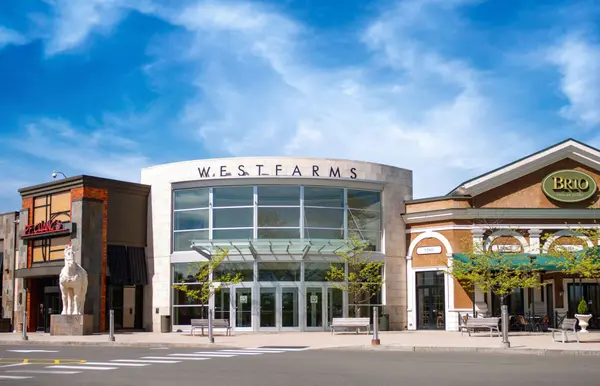
Farmington vs West Hartford: Which Hartford-Area Town Is Better for Homebuyers?
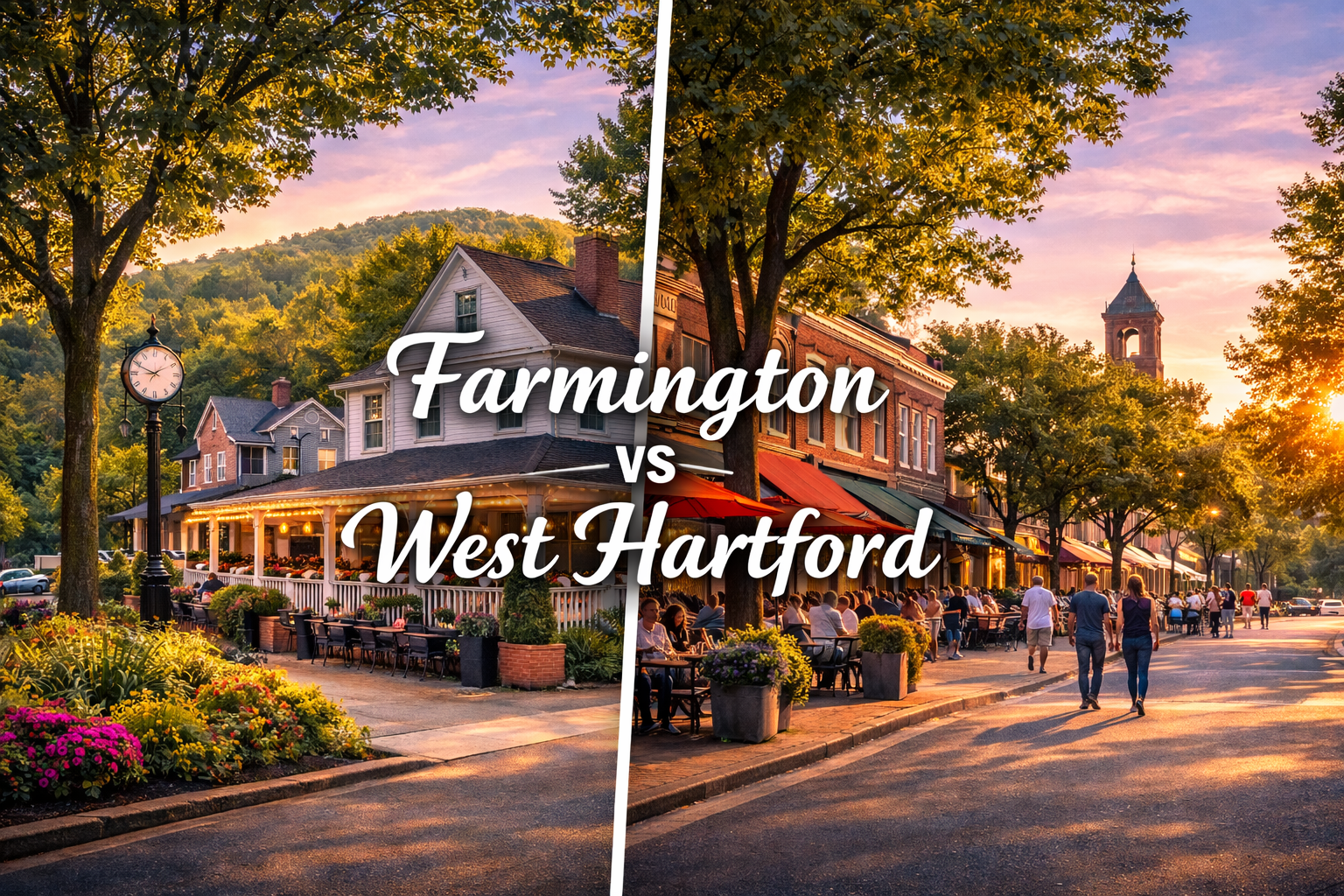
Farmington and West Hartford are two of the most desirable towns in the Hartford area for homebuyers. Both offer attractive neighborhoods, strong housing demand, and convenient access to Hartford employers. Despite being neighbors, the lifestyle in these two communities can feel very different depending on where you live and what you value most in a town.
West Hartford tends to appeal to buyers looking for walkability, restaurants, and a lively town center. Farmington attracts buyers who want a quieter environment, scenic neighborhoods, and often more space. Understanding how these towns differ can help buyers decide which community better fits their priorities.
If you're exploring homes in the area, you can browse homes for sale in West Hartford or explore homes for sale in Farmington to see what inventory currently looks like in each town.
Town Size and Overall Character
One of the biggest differences between Farmington and West Hartford is the size and layout of each town. West Hartford has a population of roughly 65,000 residents and feels like a dense suburban community closely connected to Hartford. Many neighborhoods sit just minutes from the town center, creating a more active suburban environment.
Farmington is smaller, with a population closer to 27,000 residents. The town covers a larger geographic area relative to its population and includes historic villages, residential neighborhoods, and significant open space. Because of this, the experience of living in Farmington can vary depending on where you live within the town.
Some parts of Farmington feel similar to traditional suburbs, while other areas feel much quieter and more scenic. Buyers who want a slower pace and more space between homes often find Farmington appealing for this reason.
Housing Inventory and Market Differences
West Hartford generally has more housing inventory available than Farmington. The town’s larger population and higher density mean there are more homes overall, including single-family houses, condos, and properties located near the town center.
Farmington’s housing supply is smaller, which can mean fewer homes available at any given time. However, buyers may find larger homes or newer construction in certain neighborhoods, especially in developments built over the past several decades.
West Hartford’s housing stock tends to feature classic New England homes built between the 1920s and 1950s. Farmington often includes newer colonials, larger properties, and more contemporary homes depending on the neighborhood.
Because Farmington has fewer homes overall, inventory can fluctuate more noticeably. Buyers comparing the two towns sometimes find more options available in West Hartford at any given time.
Property Taxes
Property taxes are one of the most significant financial differences between Farmington and West Hartford. For the 2025–2026 fiscal year, West Hartford's mill rate is 44.78 mills, while Farmington's is 26.62 mills. That gap of more than 18 mills means West Hartford’s rate is roughly 68 percent higher. While home values in West Hartford are somewhat higher on average — roughly $482,000 compared to about $412,000 in Farmington — the mill rate difference still has a major impact on the final tax bill.
Under Connecticut’s 70 percent assessment system, a $450,000 home would have an assessed value of about $315,000. At current rates, that translates to an annual property tax bill of roughly $14,100 in West Hartford compared to about $8,400 in Farmington. In practical terms, that is a difference of roughly $5,700 per year, or about $475 per month, for the same priced home.
Several factors help explain the gap. Farmington has one of the lowest mill rates in Hartford County, supported in part by a strong commercial tax base that includes major corporate campuses and office space. West Hartford, meanwhile, has a larger population and a broader range of municipal services, including a large school system and extensive town amenities. For many buyers, the decision comes down to whether the lower tax burden in Farmington outweighs the walkable lifestyle and dense amenities that West Hartford offers.
Lifestyle and Walkability
Lifestyle is often the biggest deciding factor between these towns. West Hartford is known for its vibrant town center anchored by West Hartford Center and Blue Back Square. The area features restaurants, cafés, retail shops, and entertainment venues that create one of the most active suburban downtown environments in Connecticut.
Residents often walk to dinner, meet friends for coffee, or attend community events throughout the year. Outdoor dining, festivals, and seasonal activities help give West Hartford a lively and social atmosphere.
Farmington offers a quieter lifestyle. While the town has charming areas like Farmington Village, daily life typically requires driving between neighborhoods, restaurants, and shopping areas. The overall pace tends to feel calmer and more residential compared to West Hartford.
Commute and Location
Both towns provide convenient access to Hartford, but the commuting experience can vary depending on location. West Hartford borders Hartford directly, which allows many residents to reach downtown in fifteen minutes or less depending on traffic.
Farmington sits slightly farther west but still provides relatively easy access through Interstate 84 and Route 4. Many residents commute to Hartford, UConn Health, and other nearby employment centers throughout the region.
Because West Hartford sits directly adjacent to Hartford, commuting routes tend to be slightly more direct. Farmington commuters may travel a bit farther but often benefit from quieter residential areas and less density overall.
Which Town Is Better for Homebuyers?
Both Farmington and West Hartford are excellent communities with strong housing markets and attractive neighborhoods. The right choice often depends on how buyers prioritize lifestyle, taxes, housing style, and proximity to amenities.
Buyers who value walkability, restaurants, and a vibrant social environment often prefer West Hartford. Buyers who want a quieter setting, lower property taxes, and larger homes may find Farmington a better fit.
Visiting both towns and exploring the neighborhoods can help many buyers determine which community feels like the right place to call home.
Frequently Asked Questions
Is Farmington cheaper than West Hartford?
Farmington often has a lower property tax rate and can offer larger homes for the same purchase price compared to West Hartford. However, home values vary by neighborhood and property type.
Which town has more housing inventory?
West Hartford generally has more homes available because it is a larger and denser town. Farmington’s inventory can be smaller and fluctuate more depending on market conditions.
Is West Hartford more walkable than Farmington?
Yes. West Hartford Center and Blue Back Square create one of the most walkable town centers in Connecticut. Farmington has charming areas but daily errands usually require driving.
Which town is closer to Hartford?
West Hartford borders Hartford directly, which often makes commuting into the city slightly faster. Farmington sits a few miles farther west but still provides convenient highway access.
Categories
- All Blogs (72)
- Blog (33)
- Connecticut Employers (11)
- Farmington CT (5)
- Glastonbury CT (3)
- Hartford CT (13)
- LGBT Arts / Charities (6)
- LGBT Friendly Business (14)
- LGBT Health / Community (1)
- LGBTQ (2)
- Life in New England (5)
- Middlesex County CT (1)
- Moving to CT (23)
- New Britain CT (1)
- Nick Gilham Realtor (1)
- Renting (1)
- West Hartford CT (23)
- Winter in New England (3)
Recent Posts